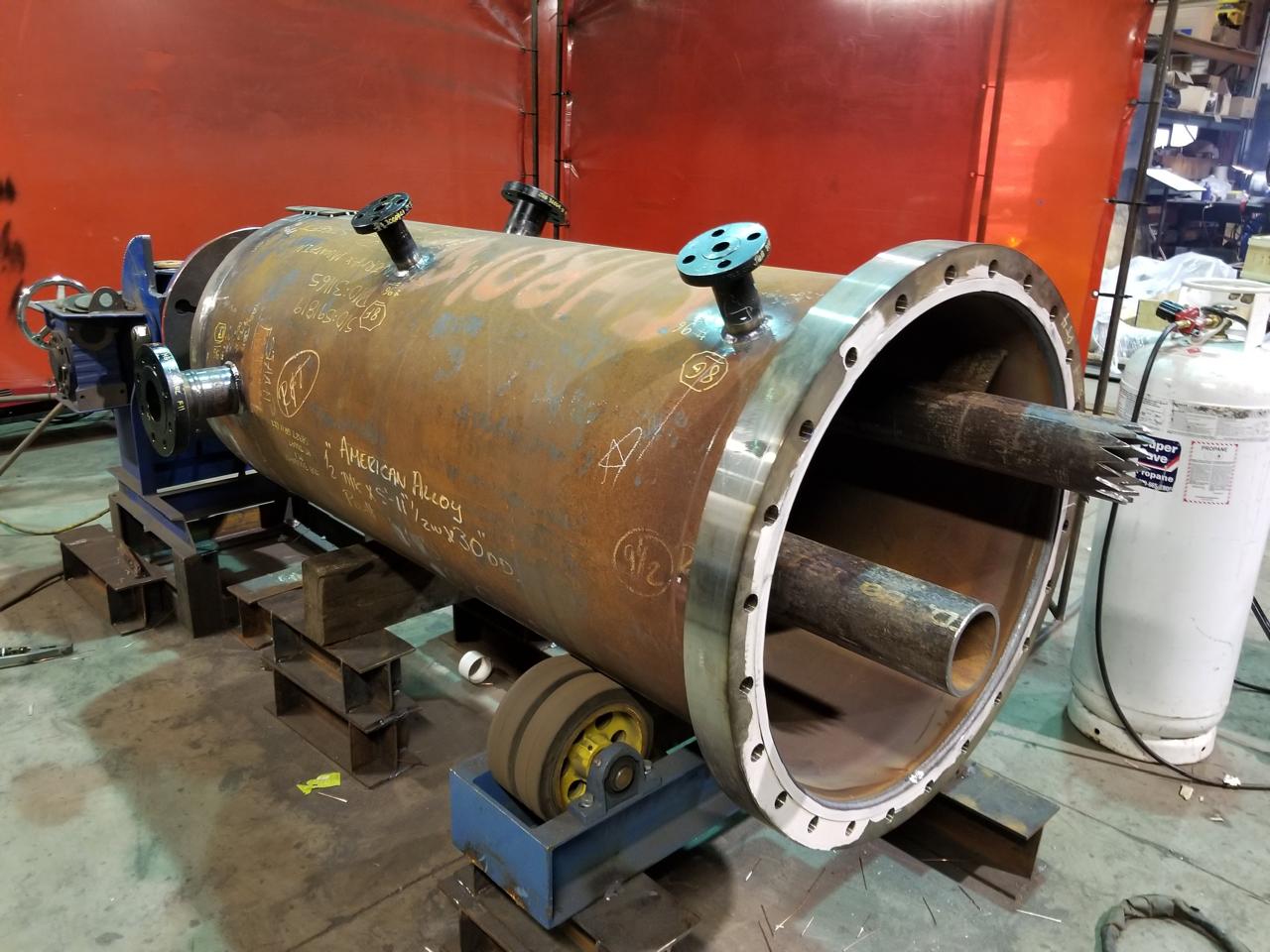
High-temperature reactor fabrication demands precision engineering and extreme discipline. Chromoly steel, specifically chrome-moly alloys like 1¼ Cr-0.5 Mo, is highly valued in the energy sector for its exceptional strength and resistance to creep at elevated temperatures. However, transforming these specialized alloy steels into industrial reactor systems involves navigating intense technical and metallurgical hurdles.
At Enermax, we specialize in overcoming these fabrication complexities to deliver high-compliance, durable equipment. Here is a look at the core challenges of working with chromoly and how advanced engineering solves them.
Mastering Advanced Metallurgy and Thermal Stress
Fabricating a chromoly reactor requires a deep understanding of how specialized alloy steels behave under immense pressure and heat. Chromoly steels gain their high-temperature resilience from alloying elements like chromium and molybdenum. However, these same elements make the material highly sensitive to thermal cycles during welding.
Key metallurgical challenges include:
- Managing Preheat and Interpass Temperatures: Chromoly is prone to hydrogen-induced cracking. Fabricators must maintain strict, continuous preheat temperatures during the entire welding process to prevent brittle microstructure formation.
- Post-Weld Heat Treatment (PWHT): After welding, the material holds high residual stresses. Precise PWHT cycles are required to stress-relieve the component, restore ductility, and ensure the reactor can handle high-pressure environments without failing.
- Engineering-Driven Problem Solving: Reactors often feature complex component designs, varying wall thicknesses, and intricate geometries. Engineers must precisely calculate thermal expansion and stress distribution to prevent distortion during fabrication.
Navigating a Rigorous Inspection Culture
Because these reactors operate under volatile conditions, ensuring absolute structural integrity is non-negotiable. Quality assurance cannot be a final afterthought. It must be embedded into every single step of the manufacturing pipeline.
To achieve high-compliance builds, fabricators must maintain a strict quality ecosystem:
- Dozens of Quality Checkpoints: A typical high-temperature reactor fabrication project involves navigating 50 to 60 distinct inspection checkpoints, covering everything from initial material verification to final pressure testing.
- Advanced Non-Destructive Evaluation (NDE): Utilizing NDE methods, such as radiographic, ultrasonic, and magnetic particle testing, allows technicians to detect sub-surface flaws that could compromise the vessel. Third-party ASME auditors regularly verify these steps to guarantee code compliance.
- An Empowered Workforce: True quality stems from a culture where any employee, regardless of their role, has the authority to stop production immediately if they spot a potential safety or quality deviation.
Translating Complex Drawings into Heavy Industrial Reality
Dealing with advanced materials requires an exceptional track record in complex fabrication. Chromoly reactor fabrication is not standard plate-rolling; it requires highly specialized geometric precision and tight tolerances.
At Enermax, our history includes fabricating highly unique, extreme-environment equipment like hyperbaric chambers and one-man submarines. This background has trained our team to translate incredibly complex engineering drawings into high-precision reality. Whether a design features intricate internal baffles, heavy-wall shells, or custom nozzle configurations, our fabrication experts ensure the physical build perfectly matches the engineering intent.
Supporting Innovation in Emerging Energy Sectors
The demand for specialized chromoly reactor fabrication is accelerating due to the global energy transition. Modern industrial projects are pushing the boundaries of traditional chemical processing, requiring highly-customized, research-based reactor components.
We frequently support experimental and cutting-edge projects, including:
- Methane Pyrolysis: Fabricating reactors that split methane into hydrogen and solid carbon, requiring materials that withstand extreme thermal demands.
- Carbon Capture Systems: Building specialized vessels designed to handle new, corrosive chemical solvents and varying pressure cycles.
- Adapting to Fluid Specifications: Working in emerging technology fields means specifications often change mid-project. Fabricators must remain agile, updating procedures and designs quickly without sacrificing safety or delaying timelines.
Contact Enermax for Chromoly Reactor Fabrication
High-temperature reactor fabrication requires a partner with deep metallurgical expertise, a transparent quality culture, and proven engineering capabilities. Enermax delivers the precision and compliance your critical infrastructure demands.
Discover how we support both experimental prototypes and large-scale industrial projects. Contact the team at Enermax today to discuss your specific reactor fabrication requirements.