

Pressure Vessel Repair in Canada: A Guide for Businesses
Pressure vessels operate under high stresses and are fundamental to a wide array of industries. However, the very nature of their function exposes them to wear, corrosion, and potential damage. Here is the essential knowledge businesses in Canada must have about pressure vessel repair, from regulatory compliance to the benefits of working with Enermax Mountain Manufacturing.
The Importance of Prompt Pressure Vessel Repair
The decision to repair or replace a pressure vessel is a significant one, with implications that extend beyond the immediate cost. Timely and compliant repairs are at the foundation of a strong asset management strategy, directly impacting a company’s bottom line and its commitment to a safe working environment.
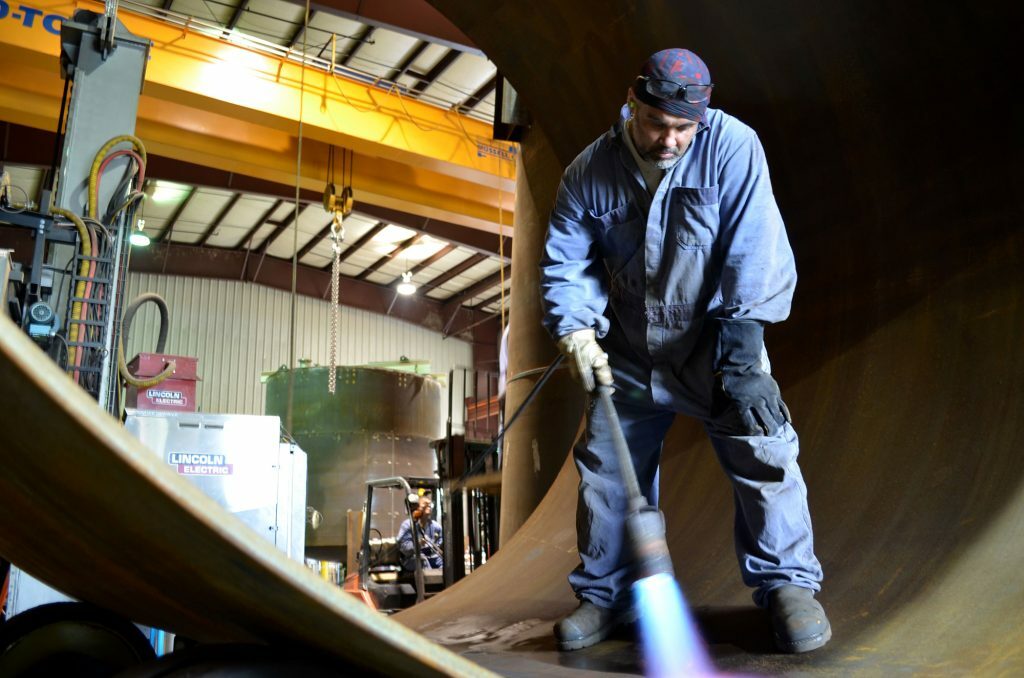
Upholding Operational Safety and Preventing Catastrophic Incidents
A compromised vessel can lead to catastrophic failures, resulting in explosions, leaks of hazardous materials, and potentially tragic consequences for personnel and the surrounding community. Adhering to a stringent repair schedule, guided by regular inspections, is a non-negotiable aspect of any responsible safety program.
Maximizing Efficiency and Averting Costly Downtime
A damaged or inefficient pressure vessel can be a significant drain on productivity. Leaks, reduced capacity, or a complete shutdown for emergency repairs can halt production, leading to substantial financial losses. Proactive repairs that are scheduled during planned downtimes ensure that operations run smoothly and efficiently, safeguarding revenue streams.
Extending Asset Lifespan and Protecting Your Investment
Pressure vessels represent a major capital investment. Implementing a comprehensive repair and maintenance program can significantly extend their operational lifespan. By addressing issues like corrosion and fatigue early on, businesses can protect their initial investment and delay the substantial cost of full replacement.
Common Pressure Vessel Issues
Damage and Repair Needs
The demanding operational conditions within Canadian industries mean pressure vessels are susceptible to various forms of damage. Recognizing these common issues is the first step toward effective repair or replacement.
The Slow Creep of Corrosion and Material Degradation
In Canada’s diverse climate and industrial environments, corrosion is a common issue. This can manifest as uniform thinning of the vessel walls, localized pitting, or stress corrosion cracking in the oil and gas sector. Similarly, erosion from abrasive particles in the process fluid can wear away material over time.
The Threat of Cracking and Fatigue
Cyclical loading and unloading, temperature fluctuations, and vibrations can lead to fatigue cracking in pressure vessel materials. These cracks, often initiating at points of high stress like nozzles and welds, can propagate over time and compromise the vessel’s structural integrity. Non-destructive testing (NDT) methods are crucial for their early detection.
Damage from Operational Duress and Accidents
Beyond gradual degradation, pressure vessels can suffer damage from acute events. Over-pressurization, sudden temperature changes (thermal shock), or mechanical impacts can cause immediate and severe damage that requires urgent assessment and repair.
The Blueprint for Compliant Pressure Vessel Repair
A compliant and effective pressure vessel repair is a systematic process that must adhere to strict regulatory standards and industry best practices. In Canada, this often involves following the guidelines set out by the National Board Inspection Code (NBIC) and local jurisdiction.
Step 1: Meticulous Inspection and Assessment:
Before any repair work commences, a thorough inspection is required. This goes beyond a simple visual check and typically involves a suite of NDT methods, such as ultrasonic testing, magnetic particle inspection, and radiographic testing. This detailed assessment provides a precise understanding of the extent and nature of the damage, forming the basis for a sound repair strategy.
Step 2: Crafting a Detailed Repair Plan and Procedures:
Once the damage is fully characterized, a comprehensive repair plan needs to be developed and documented. This plan will outline the specific repair methodology, the materials to be used, the welding procedures, and the post-repair testing requirements. This documentation is crucial for regulatory compliance and for ensuring the repair is conducted in a controlled manner.
Step 3: The Role of Qualified Welding and Material Testing:
The quality of a pressure vessel repair relies on the skill of the welders and the integrity of the materials used. It is imperative that all welding is performed by certified welders with experience in pressure vessel repair. Following the welding, further NDT is conducted to verify the quality of the repair and ensure it has restored the vessel to a safe operating condition.
Contact Enermax Mountain Manufacturing for Pressure Vessel Repair and Services
Enermax offers custom pressure vessel design and fabrication as a core service, but also provides pressure vessel repair and alteration services. Everything we do is backed by our National Board ‘R’ certification and a commitment to the highest standards of quality and safety. Contact us today to learn more about how we can support your pressure vessel needs.
Frequently Asked Questions
Pressure vessels should be repaired when damage such as localized corrosion, cracking, or weld defects can be safely restored through code-compliant repairs. An experienced ASME and National Board “R”-certified facility evaluates structural integrity before recommending repair or replacement.
Pressure vessel repairs typically follow the National Board Inspection Code (NBIC) along with relevant provincial regulations and ASME Section VIII requirements for pressure-retaining equipment.
A comprehensive assessment often includes visual inspection, ultrasonic testing, radiographic testing, magnetic particle inspection, and dye penetrant testing to determine the extent of damage.
NDT methods allow engineers to detect hidden cracks, wall thinning, and weld defects without damaging the equipment, ensuring repairs restore the vessel’s structural integrity and safety.
A qualified contractor should hold ASME certification, National Board “R” stamp authorization, certified weld procedures, and documented QA/QC processes for pressure-retaining equipment.
Specialized fabricators like Enermax Mountain Manufacturing provide custom engineering, certified welding procedures, advanced inspection methods, and code-compliant repairs that ensure vessels return safely to operation.