

Ensuring Success in Custom Heat Exchanger Fabrication: Avoiding Common Pitfalls
Custom heat exchanger fabrication is a high-stakes process where mistakes can result in operational failures, safety hazards, and massive financial setbacks. The success of these specialized components depends on precise engineering, proper material selection, and experienced fabrication. Here are the common pitfalls that derail custom heat exchanger fabrication projects and how to avoid them.
The High Stakes of Custom Heat Exchanger Failures
Operational disruptions and delays often stem from late deliveries or poorly built units, forcing unplanned shutdowns, missed deadlines, and budget overruns. Plants operating on tight schedules can’t afford such setbacks.
Poor performance and inefficiency are also common outcomes of subpar fabrication. When a heat exchanger doesn’t meet heat transfer expectations or suffers from pressure drops, leaks, or higher-than-expected energy use, it leads to system-wide inefficiencies and added operating costs.
Safety risks and shortened equipment life are particularly concerning when dealing with hazardous fluids or extreme conditions. Leaks or material failures not only pose environmental and health hazards but can compromise the reliability of your entire system over time.
Common Pitfalls in Custom Heat Exchanger Projects
Material selection mistakes can be catastrophic. Using the wrong alloy or incompatible gasket materials can lead to premature failure, especially in corrosive or high-temperature environments. Lack of traceability further complicates future troubleshooting or compliance verification.
Design miscommunications are another frequent issue. Vague operating specs, unclear thermal requirements, or misinterpretation of drawings can result in units that don’t perform as needed. Failure to meet standards like ASME or TEMA further increases the risk of noncompliance and liability.
Fabrication flaws and a lack of specialization are especially common with general-purpose shops. Heat exchanger builds require expertise in tube-to-tubesheet welding, complex geometries, and stringent quality control.
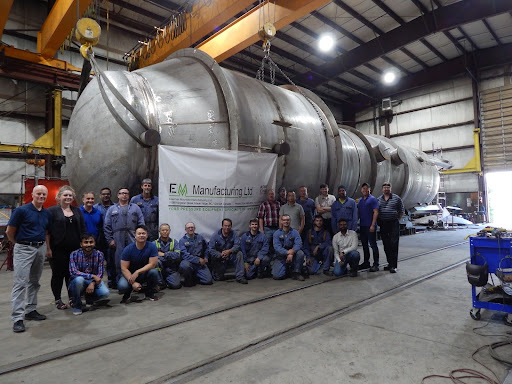
The Enermax Advantage in Heat Exchanger Fabrication
Every custom heat exchanger fabrication project at Enermax begins with an in-depth evaluation of operating conditions, including a look into pressure, temperature, and fluid chemistry, to select the most appropriate design for long-term durability.
Design review and certified fabrication set Enermax apart. Each unit undergoes a detailed engineering review to confirm thermal performance and mechanical integrity. Enermax’s certified welders follow ASME and TEMA standards, ensuring proper construction of critical joints and components.
Optimized processes and strict QA complete the picture. From NDT inspections to hydrostatic and pneumatic testing, every step is validated to ensure each unit leaves the shop fully compliant, reliable, and ready for service.
Why Clients Trust Enermax with Their Custom Projects
Code-compliant custom heat exchanger fabrication and dependable performance are guaranteed through rigorous adherence to ASME and TEMA codes. Whether you’re operating under high pressure, corrosive conditions, or tight thermal tolerances, Enermax ensures every detail is addressed.
Transparent project management and reliable delivery further add value. Clear communication, realistic timelines, and consistent updates help our clients avoid surprises and stay on schedule, especially critical in time-sensitive operations.
Contact Enermax for Custom Heat Exchanger Fabrication Services
If you’re planning a custom heat exchanger project or need expert support for your current application, Enermax is ready to help. From engineering consultation to precision fabrication, we deliver results that meet performance, safety, and compliance expectations. Contact Enermax today to discuss your custom sheet metal fabrication needs.