

Shell and tube heat exchangers are used for efficient heat transfer in industrial applications, from oil refining to HVAC. Despite their complex appearance, they operate on a simple principle. Let’s review the basics if you want to understand, select, or specify the right exchanger for your needs.
How It Works: The Basics
At the core of a shell and tube heat exchanger is the ability to move heat from one fluid to another using physical barriers. One fluid flows through a series of tubes, while another flows around those tubes within a larger outer shell. The walls of the tubes allow heat to pass through while keeping the fluids separated. This design enables efficient energy transfer without contamination.
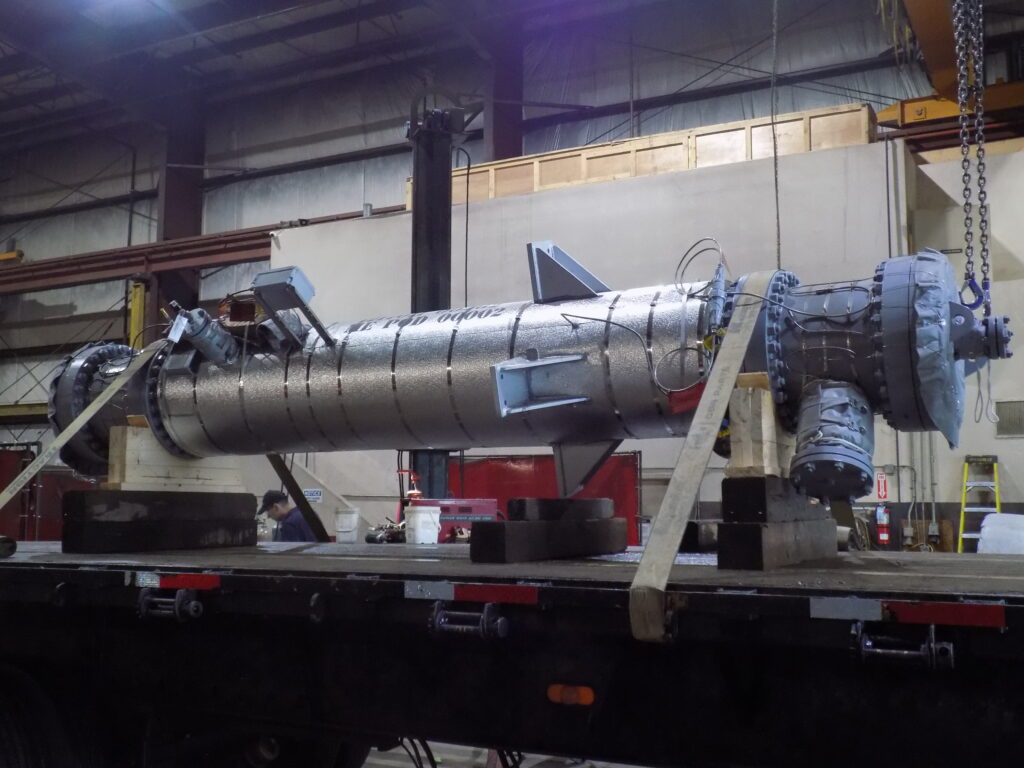
Key Components and Their Roles
To understand how these systems function, it’s helpful to get familiar with their main components:
- Shell: The cylindrical outer vessel holds the entire unit together and contains the fluid that flows on the shell side.
- Tubes: These carry one of the fluids—either hot or cold. They’re commonly made of materials like stainless steel or copper for durability and conductivity.
- Tube Sheets: These are thick plates at each end of the exchanger that anchor the tubes in place and isolate the two fluids.
- Baffles: Located within the shell, baffles direct the fluid flow across the tubes multiple times, improving heat transfer and reducing the chance of hot spots.
- Inlet and Outlet Nozzles: These allow both fluids to enter and exit the system efficiently.
- Expansion Joints: These compensate for thermal expansion caused by temperature fluctuations, helping prevent structural damage.
- Support Structures: Frames or brackets that provide stability and hold the unit securely during operation.
Each of these components is engineered for performance and longevity, especially in high-demand industrial settings.
Types of Shell and Tube Heat Exchangers
Choosing the right type of exchanger depends on the application’s thermal needs and maintenance preferences. Here are the most common configurations:
- Fixed Tube Sheet Exchanger: The tubes are permanently attached to the tube sheets. This setup is cost-effective and best for applications with minimal thermal expansion.
- U-Tube Exchanger: Tubes are bent into a U-shape, allowing for thermal movement and simplifying maintenance on the tube side. Ideal for high-temperature differentials.
- Floating Head Exchanger: One end of the tube bundle can move independently, which accommodates more significant thermal expansion and allows full access for cleaning and repairs.
Each design has its strengths depending on the environment, thermal cycling frequency, and maintenance requirements.
Industrial Applications
Shell and tube heat exchangers are essential across a wide range of industries. Their versatility allows them to handle a variety of heating and cooling processes, making them a top choice for any heat exchanger manufacturer looking to deliver efficient and reliable solutions, including:
- Petrochemical and Chemical Plants: Used to heat or cool process fluids, control reactions, or condense solvents and gases.
- Power Generation: Integral to waste heat recovery systems and turbine cooling processes.
- HVAC Systems: Employed in large buildings and facilities for centralized heating and cooling.
- Food and Beverage Processing: Maintain temperature control during pasteurization and other critical processes.
- Oil and Gas Production: Assist in temperature regulation for extraction, refining, and transportation.
These systems are trusted for their efficiency, reliability, and ability to meet strict industry standards.

Benefits of Using Shell and Tube Heat Exchangers
Why are these units preferred in so many sectors? The advantages are clear:
- Durability: Built to withstand high pressures and extreme temperatures.
- Scalability: Suitable for both small-scale and massive industrial operations.
- Versatility: Can be adapted to many fluids, temperatures, and operating conditions.
- Ease of Maintenance: Certain designs—like the floating head—allow for straightforward cleaning and servicing.
- Cost Efficiency: When scaled for large-volume heat transfer, shell and tube designs offer one of the best returns on investment.
When correctly specified and maintained, these exchangers can deliver decades of reliable performance.
Contact Enermax for Shell and Tube Heat Exchangers
Looking for a reliable heat exchanger solution for your next project? Enermax designs shell and tube heat exchanger systems built for performance, durability, and efficiency. Whether you’re upgrading or starting fresh, our experts help you find the right fit.
Contact us today to discuss your heat transfer requirements and explore custom or standard heat exchangers.