

Efficient heat transfer is vital to industrial performance, safety, and energy use. Across industries from manufacturing to energy, shell and tube heat exchangers lead the way. Known for their flexibility, durability, and efficiency, they’ve become a go-to solution for reliable thermal management in demanding industrial environments.
What is a Shell and Tube Heat Exchanger?
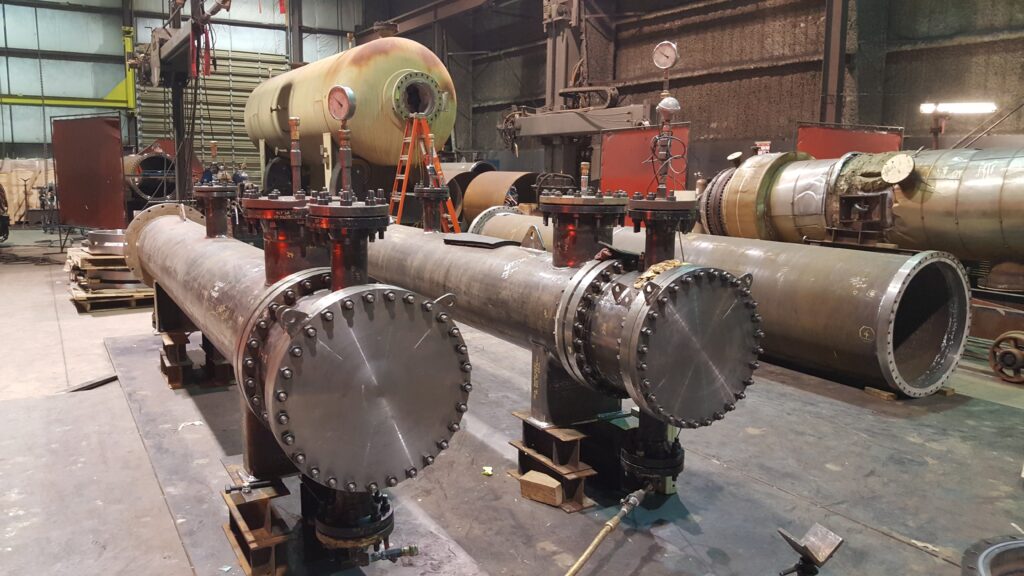
A shell and tube heat exchanger consists of a series of tubes, one set carrying a hot fluid, the other a cooler one, enclosed in a cylindrical shell. Heat is transferred between the fluids without direct contact, making it ideal for processes requiring thermal regulation without contamination. These systems are commonly found in industries such as power generation, chemical processing, oil refining, and HVAC systems. Customization is often required depending on operating pressures, temperatures, and fluid types.
Key Features
Shell and tube heat exchangers are designed for high performance and durability. Key features include:
- High thermal efficiency, allowing for rapid heat transfer
- Robust and durable construction that withstands extreme conditions
- Flexible configurations tailored to meet industry-specific needs
- Compact design, making them space-efficient despite high capacity
- Ease of maintenance, thanks to accessible layouts and cleanable surfaces
These features combine to deliver performance and reliability even under challenging conditions.
Benefits of Shell and Tube Heat Exchangers
One of the biggest advantages of shell and tube heat exchangers is their versatility and use cases. They’re used across multiple sectors including power plants, petrochemical facilities, food processing, pharmaceuticals, and commercial HVAC systems.
Additional benefits include:
- Cost-effectiveness: Though the upfront cost may vary, their long lifespan and low maintenance make them an economical choice over time.
- Pressure and temperature tolerance: These exchangers are built to manage high-pressure and high-temperature fluids, making them ideal for demanding applications.
- Safety and hygiene: The separation between fluids minimizes the risk of cross-contamination—critical in food, beverage, and pharmaceutical applications.
- Extended lifespan: With proper maintenance, these systems offer a long operational life, maximizing return on investment.
Shell and Tube Heat Exchanger Maintenance Tips
To ensure performance and extend the life of a shell and tube heat exchanger, proactive maintenance is key. Recommendations include:
- Routine inspection for corrosion, fouling, and leaks
- Cleaning procedures, such as mechanical brushing, chemical descaling, or backflushing
- Leak detection testing to catch issues early
- Proper fluid treatment to avoid scaling and deposit buildup
- Regular gasket and seal checks
- Scheduled preventive maintenance and performance monitoring
- Monitoring for vibration or structural stress, which can indicate alignment or flow problems
- Tracking thermal efficiency over time to spot performance drops early
Choosing the Right Supplier
Selecting the right supplier is just as important as choosing the right heat exchanger. Look for:
- Proven industry experience and reputation
- High-quality materials suitable for your operating environment
- Customization capabilities to meet specific application requirements
- Reliable after-sales support for installation, maintenance, and repair
- Certifications and compliance with industry and safety standards
Contact Enermax for Shell and Tube Heat Exchangers
Looking for power, precision, and durability in every system? Enermax brings decades of expertise to deliver custom shell and tube heat exchangers built to perform. Whether it’s a new project or a system upgrade, trust Enermax for unmatched support and engineering that goes the distance and contact us to learn more.